The Man Who Refused to Fight Conventionally
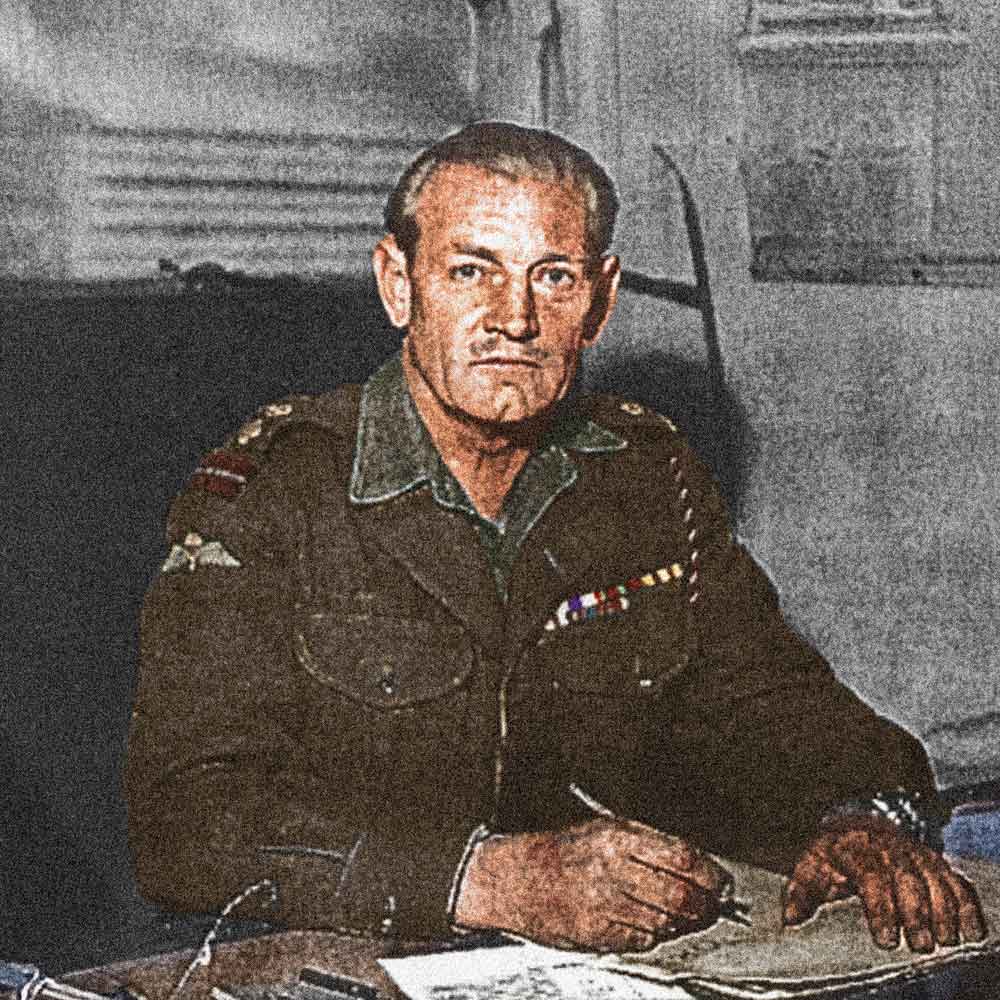
Among the countless soldiers of World War II, one man stood out not because of his uniform, but because of the way he chose to fight. Lieutenant Colonel John Malcolm “Mad Jack” Churchill believed that if you’re going to fight, you might as well do it with style. While most of his comrades carried rifles, Churchill famously brought along a Scottish broadsword, a longbow, and bagpipes into battle. Yes … it sounds like legend, but it’s fact.
“Any officer who goes into action without his sword is improperly dressed.” – Mad Jack Churchill
Far from being reckless theater, his choices reflected a deeper principle: courage is amplified when paired with morale. His eccentricity made him unforgettable, but his results made him respected.
From Archer to Commando
Churchill wasn’t just a soldier; he was an expert archer, a motorcycle enthusiast, and a man who had competed internationally with his longbow. Before WWII, he even appeared as an extra in films, showcasing his skills with traditional weapons. When war came, he refused to leave those skills behind.
In 1940, during an ambush in France, Churchill allegedly killed a German soldier with his longbow — making him one of the last recorded archers to score a lethal hit in modern warfare.
Bagpipes on the Battlefield
It was not just his sword or bow — it was the presence of Churchill . He was known to march into combat while playing his bagpipes, a haunting sound that unnerved enemies.
In one of his most famous exploits, during a raid in Norway, he led his troops ashore playing “March of the Cameron Men” on the pipes, before charging with his sword drawn. His men followed — not because they had to, but because his fearlessness was contagious.
Captured, but Never Broken
Churchill’s war record was filled with daring raids, including his leadership during the assault on German artillery in Italy. But his defiance came at a cost. In 1944, he was captured after running out of ammunition during a night raid in Yugoslavia. Sent to a concentration camp in Sachsenhausen, he did what seemed unthinkable: he escaped.
Recaptured and later transferred, Churchill escaped again and walked over 150 kilometers through enemy territory before reaching Allied lines. His sheer willpower and refusal to accept defeat made him legendary not only among his comrades but also in the history of unconventional warfare.
“If it wasn’t for those damn Yanks, we could have kept the war going another 10 years.” – Mad Jack Churchill (on the war ending before he could fight in the Pacific)
The Mindset of Mad Jack
Churchill’s actions were not reckless madness, as his nickname suggests. They were the manifestation of a deeper philosophy: war is fought not only with weapons, but with spirit. His sword and bagpipes were tools of psychology as much as of combat. They reminded his men — and his enemies — that fearlessness is often stronger than firepower.
A tactical mindset is not always about fire superiority. Sometimes it’s about morale, surprise, and presence. Churchill embodied this truth.
Life After War
After WWII, Churchill didn’t retire quietly. He served in British forces in Palestine, and later became an instructor, passing on his knowledge of commando tactics and unconventional thinking. In civilian life, he embraced adventure with the same spirit: surfing, motorcycling, and living with an almost boyish refusal to be ordinary.
His life story challenges a misconception: that discipline must be rigid and gray. Churchill showed that discipline and eccentricity can coexist — as long as the mission is never compromised.
Legacy of an Unconventional Warrior
“Mad Jack” Churchill is remembered not because he fit in, but because he stood apart. He proved that courage can take many forms — sometimes quiet and disciplined, sometimes loud and defiant. His refusal to abandon his individuality in the face of industrialized war makes him one of the most unique figures in modern military history.
Today, his story remains more than just a curiosity. It is a reminder that the human factor — creativity, morale, and presence — is as vital in battle as any weapon. And that sometimes, the difference between ordinary and extraordinary lies in the willingness to carry a sword where others carry doubt.